
The Complete Guide to 1996 Bandai Pokémon Carddass: The History of Another Early Pokémon Card Series Born from Vending Machines
Before the official Pokémon TCG, there was Bandai Carddass! 🕹️✨ Dive into the 1996 vending machine cards featuring classic Ken Sugimori art and unique link-cable trade texts. Learn more about these vintage gems!
Alongside the official Pokémon Trading Card Game (Base Set) and the Topsun series, the Bandai "Pokémon Carddass" series launched in 1996 has garnered massive, enthusiastic support from vintage collectors worldwide as one of the earliest pieces of Pokémon merchandise.
Originally purchased by children clutching 20-yen or 100-yen coins to turn the dials of vending machines, these cards have now become precious vintage items, with complete sets and pristine copies (PSA graded) trading for thousands of dollars. This article provides a comprehensive guide to the history of the Bandai Pokémon Carddass, the differences between its series, and how to acquire them today.
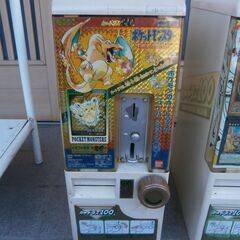
What is Bandai's "Pokémon Carddass"?
Carddass is a vending machine card sales system launched by Bandai in 1988. Following the massive success of the Pokémon Red and Green Game Boy software released on February 27, 1996, Pokémon joined the Carddass lineup later that same year.
While the official "Pokémon Card Game" was designed as a Trading Card Game (TCG) meant for battling, the primary goal of Carddass was "completing the Pokédex" and collecting. The front of the cards features official illustrations by Ken Sugimori, deeply reflecting the atmosphere of the games at that time.

The Major Carddass Series and Their Evolution
Parts 1 and 2 (1996: The "Red and Green Versions")
The absolute earliest releases, Parts 1 and 2, feature the original 151 Pokémon (including Mew). Part 1 included over 70 Pokémon alongside list cards, while Part 2 covered the rest. Their designs correspond to the original game packaging, featuring a "Red Version" and "Green Version" aesthetic respectively.
Prism (Holo) Cards: Highly popular Pokémon like Charizard, Blastoise, Gengar, Mewtwo, and Mew exist as holographic "Prism" cards, which hold exceptionally high value today.

The "EXCHANGED" Trade Text: A unique feature of Parts 1 and 2 is a single line of text printed only on cards of Pokémon exclusive to one game version or those that evolve via trading (30 species in total). These cards read "EXCHANGED from RED VERSION" or "EXCHANGED from GREEN VERSION." This was a clever touch to represent the game's iconic link-cable trading mechanic on the physical cards.
Parts 3 and 4 (Released in 1997)
Entering 1997, Parts 3 and 4 were released (Part 4 launched in June 1997, featuring 74 cards). Starting with this series, Pokémon moves and stats were added to the bottom of the cards. The artwork also evolved from standard standing poses to much more dynamic, action-oriented illustrations (such as Pokémon unleashing attacks). Note that the "EXCHANGED" text was discontinued from this series onward.
Anime Collection (1997–1999)
To coincide with the start of the TV anime, the "Anime Collection" series was launched, capturing memorable scenes from the show. Sold through "Carddass 100" machines (in packs of 5 or special 2-card slide-up sets) including the 1999 "Gold & Silver" era, these cards feature nostalgic designs of Ash (Satoshi), Pikachu, and Team Rocket, remaining a fan favorite.
Market Value and Collector Enthusiasm
Today, the market value of Bandai Pokémon Carddass has surged due to overseas demand for vintage items.
Charizard (No.006) Prism: Copies in excellent condition score highly in PSA grading and are traded for tens of thousands to hundreds of thousands of yen (hundreds to thousands of USD).
Full 151 Complete Sets: A perfect complete set of the original 151, plus the checklist cards and "Town Map Card," often commands prices exceeding $1,000 USD, especially if preserved in mint condition within the original dedicated binder.